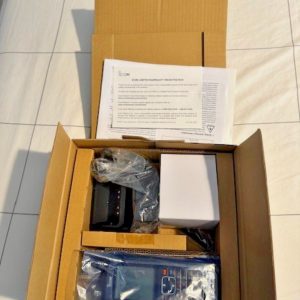
:::writingvariant="document" id="58314" ICOM IC-A25N Handheld NAV/COM Transceiver w/ Bluetooth – Open Box: Reliable NAV/COM Performance The ICOM IC-A25N Handheld NAV/COM Transceiver w/ Bluetooth – Open Box provides pilots and aviation professionals with a convenient combination of communication, navigation support, portable operation, and wireless connectivity. For budget-conscious pilots, an open-box radio may provide a practical balance between modern functionality, reliable construction, and competitive purchase value. An ICOM IC-A25N Handheld NAV can support pilots who need a portable radio for cockpit backup, preflight monitoring, flight training, and general aviation communication. An ICOM IC-A25N Aviation Radio can support communication between pilots, air traffic services, flight instructors, ground personnel, and other aviation users where authorized. The ICOM IC-A25N Handheld Radio can serve private owners, instructors, students, aircraft dealers, mechanics, and airport staff who need communication away from a fixed cockpit installation. A Handheld NAV/COM Aviation Transceiver can reduce the need to carry separate portable communication and navigation receivers for certain aviation tasks. Whether the device will function as a Handheld Aviation Radio, Aviation NAV/COM Radio, Pilot Handheld Radio, or Aircraft Communication Radio, users should become familiar with its controls before relying on it. For many operators, the radio can combine the roles of Portable Aviation Transceiver, Aviation Communication Device, Handheld Aircraft Radio, and emergency backup equipment.
Overview of the ICOM IC-A25N Aviation Radio
The IC-A25N combines portable aviation communication capability with navigation-oriented features intended to support a broad range of pilot activities. The device may help pilots reduce equipment clutter by integrating several useful capabilities into one flight-bag-friendly radio. The radio may perform very effectively in some environments while experiencing reduced range inside certain aircraft or buildings. A backup radio provides greater value when the pilot has already practiced frequency selection, volume adjustment, navigation functions, Bluetooth setup, and battery management.ICOM IC-A25N Handheld NAV Features
The ICOM IC-A25N Handheld NAV can support pilots who want portable access to aviation communication and navigation information during flight preparation or cockpit operations. Students may practice menu navigation, frequency entry, memory organization, display interpretation, and accessory setup in a controlled setting. Aviation navigation requires situational awareness, planning, current data, and understanding of aircraft and airspace requirements. Responsible operation includes checking settings, frequency steps, stored information, battery capacity, antenna security, and any paired accessories before departure.Using the ICOM IC-A25N Aviation Radio
The handheld unit can support operations during aircraft maintenance, ramp movement, hangar work, or other situations where installed radios are not easily accessible. Pilots attending fly-ins or traveling through unfamiliar airports may appreciate having portable access to communication frequencies. An open-box product should be evaluated carefully even when it appears unused or lightly handled. A functional demonstration can confirm that the radio powers on, accepts charging, responds to controls, displays information, produces audio, and recognizes included equipment.ICOM IC-A25N Handheld Radio Portability
A compact radio can remain in a flight bag alongside headsets, charts, flashlights, batteries, and other essential pilot equipment. The antenna should be protected from bending or crushing while the radio is transported with other equipment. Portability also allows the radio to be charged and configured away from the aircraft, helping pilots prepare frequencies and settings before entering the cockpit. Proper storage temperature and periodic charging can help preserve long-term battery and equipment performance.Using a Handheld NAV/COM Aviation Transceiver
A Handheld NAV/COM Aviation Transceiver combines portable communication and navigation-related capability within one device, making it useful for pilots who value multifunction equipment. The most suitable handheld radio is not necessarily the one with the longest feature list, but the one the pilot can operate confidently and maintain properly. The radio should be inspected before every important flight for battery charge, antenna security, control response, display condition, volume setting, and physical damage. Regular care supports reliable operation, protects resale value, and reduces the risk of missing components.Handheld Aviation Radio Applications
Portable radio access can improve operational flexibility when users move frequently between aircraft and aviation environments. A handheld unit is most valuable when charged, accessible, tested, and familiar to the pilot before it is required. Radio performance can be affected by aircraft structure, cockpit location, antenna orientation, terrain, buildings, interference, weather, and distance. Responsible communication protects aviation operations and helps users gain the full value of a professional handheld radio.Using an Aviation NAV/COM Radio
The IC-A25N can be carried across different aircraft, allowing one pilot to maintain familiarity with the same handheld controls. The user should understand how to move efficiently between communication and navigation functions without becoming distracted. The radio’s navigation-related functions should be used within the limits described by the manufacturer and the requirements of the intended operation. Before departure, pilots should confirm that the radio is charged, correctly configured, securely stored, and easy to reach.Pilot Handheld Radio Benefits
Flight instructors may value a handheld unit for monitoring, demonstration, backup, and coordination during ground or flight-training activities. The device should remain accessible to the pilot without becoming a loose object or interfering with cockpit controls. Emergency equipment is more useful when essential website controls can be operated confidently without lengthy manual review. Pilots may consider carrying an appropriate backup power option when supported by the equipment and mission requirements.Portable Aircraft Communication Radio
A handheld radio may provide additional flexibility during aircraft demonstrations, test preparation, delivery operations, or extended maintenance events. Clear communication depends on more than radio quality because users must understand procedures, frequencies, terminology, timing, and radio discipline. Users should establish realistic expectations by testing the radio in normal conditions rather than assuming identical range to panel equipment. A cracked housing, loose antenna connection, damaged battery latch, or unreliable control can affect usability even when the radio still powers on.Choosing a Portable Aviation Transceiver
Portability is valuable when users need one radio across several airplanes, buildings, vehicles, or operational locations. A portable unit is easier to transport than installed avionics, but it also requires careful management of batteries, antennas, chargers, cables, and accessories. Bluetooth operation should be tested in advance because pairing status, battery condition, compatibility, audio routing, and device settings can influence performance. Bluetooth settings can be reviewed during preflight preparation and confirmed before the aircraft begins moving.Aviation Communication Device Applications
The ideal device balances functionality with an interface the user understands and can operate confidently. An open box may result from display, return, inspection, testing, damaged packaging, or another non-operational reason. Aviation businesses should establish procedures for cleaning shared microphones, headsets, controls, and surfaces where appropriate. A radio configured for one headset or training environment may need adjustment before being issued for another application.Maintaining a Handheld Aircraft Radio
The device may also support pilots at airports where communication must begin before the aircraft electrical system is activated. A handheld unit allows maintenance personnel to confirm communication-related information while aircraft power remains disconnected. Cockpit use requires secure storage and careful cable management so the radio does not interfere with flight controls, doors, seat adjustment, or emergency movement. The radio should be cleaned only with suitable methods that do not damage the display, housing, seals, labels, or controls.Aviation Navigation Radio Benefits
The IC-A25N may appeal to pilots who want more than communication capability from their handheld flight-bag radio. Competent use comes from practice, realistic expectations, and integration with established navigation procedures. Navigation information should be cross-checked with current aviation references and suitable cockpit equipment for the planned operation. The manual and quick-reference information should be available until the pilot can use important functions confidently.Maintaining an ICOM Pilot Radio
An ICOM handheld can become a standard part of a flight bag for pilots who regularly operate rented, shared, or personally owned aircraft. A complete and well-documented package can be more valuable than a lower-priced unit missing essential equipment. The correct purchasing decision reflects mission, budget, equipment condition, support needs, and actual operational preferences. Responsible ownership allows an ICOM Pilot Radio to remain a useful communication and navigation resource for many aviation activities.Emergency Aviation Radio Benefits
A handheld radio may support a pilot’s response to an abnormal situation by providing portable communication capability independent of the main panel system. The radio should be positioned where it can be reached without searching through baggage during an urgent situation. Bluetooth or wired audio arrangements should be tested before flight and should not be assumed to work automatically during an emergency. Any missing charger, antenna, adapter, cable, or battery concern should be corrected before the radio is relied upon.Backup Aircraft Radio Applications
The IC-A25N offers portable communication and navigation-oriented functions that can support a layered aviation equipment strategy. A dependable backup radio is the result of consistent preparation rather than the assumption that unused equipment remains ready. A simple and familiar arrangement is generally more useful during an abnormal situation than a complicated setup that has not been practiced. With thoughtful preparation, a Backup Aircraft Radio can provide valuable confidence without creating unnecessary cockpit complexity.Open-Box ICOM IC-A25N Purchase Checklist
An open-box ICOM IC-A25N should be inspected for cosmetic condition, display quality, button response, antenna security, battery fit, connector condition, and evidence of previous use. Transparent answers allow the buyer to distinguish a nearly unused open-box product from a lightly used or incomplete package. The Bluetooth system should be checked for pairing, audio routing, connection stability, and compatibility with supported equipment. The radio should be protected from impact, moisture, static, loose movement, and pressure during transportation.Maintenance and Long-Term Radio Care
A handheld aviation radio can provide many years of useful service when it is protected from impact, moisture, heat, contamination, and careless storage. Maintenance should be completed before the radio is needed for an important flight or emergency role.- Examine high-use areas regularly and document any repair, battery replacement, charging concern, impact, or intermittent operation.
- Confirm that paired accessories, headset connections, stored information, display settings, antenna attachment, and power level are suitable for the planned operation.
- Protect the equipment from extreme temperature, direct sunlight, moisture, fuel, oil, cleaning chemicals, heavy tools, and accidental impact.